
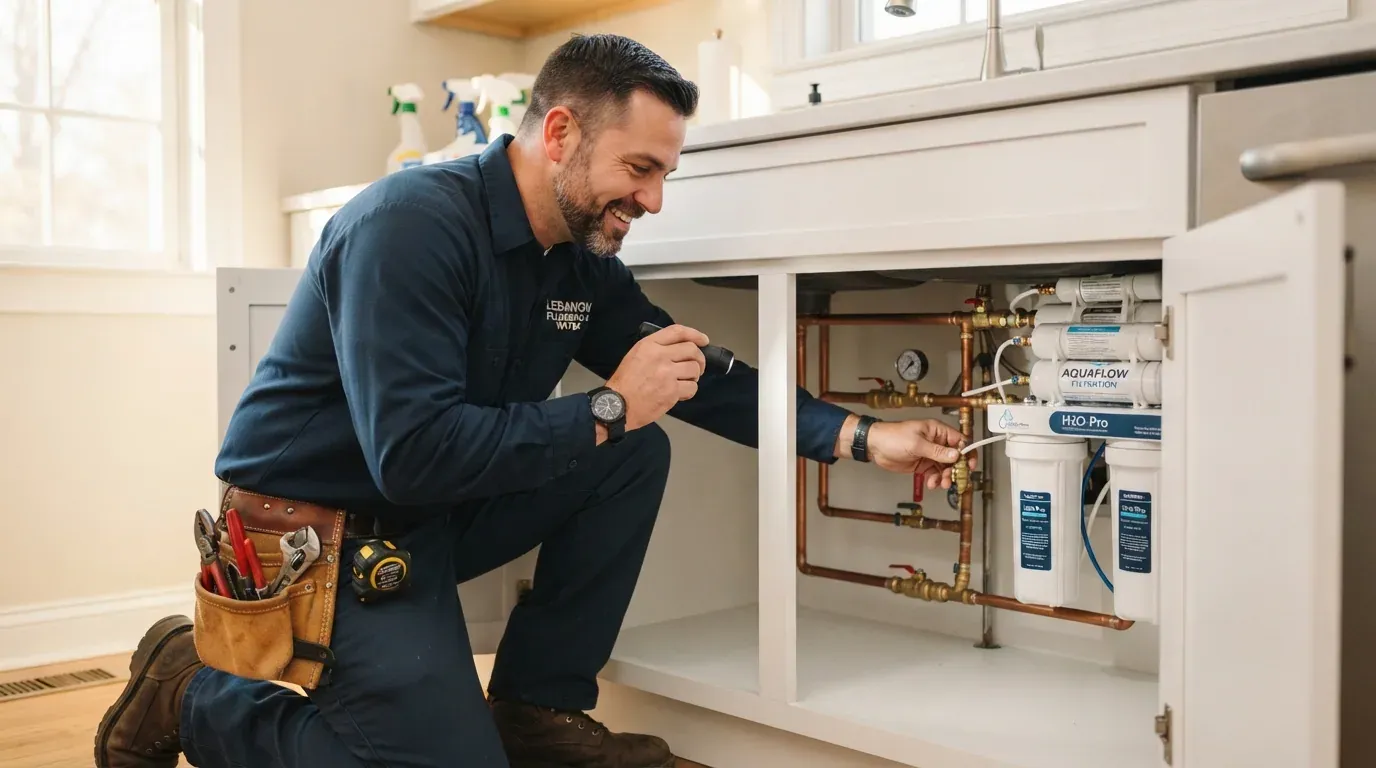
Leak Detection & Pipes
Leak Detection
Finding the leak accurately is what keeps the repair small. Guessing is what turns one hole in a wall into three.
What is included
What this service covers
What we actually do on this job, and what you can expect us to deal with while we are there.
- Tracing leaks behind walls, under floors and above ceilings
- Slab leak location
- Buried supply and irrigation line leaks
- Meter testing and isolation to confirm a leak exists
- Pinpointing before opening up, to keep access small
- Identifying whether the source is supply, waste or groundwater
Signs to look for
You may need this if you are seeing any of these
- A water bill that has climbed with no change in habits
- The water meter moving with every fixture turned off
- A running or hissing sound when nothing is on
- Damp, staining, bubbling paint or a musty smell
- A warm patch on a floor slab
- Loss of pressure with no obvious cause
- Mould appearing in a spot that keeps returning
Why it happens
What usually causes it
01
Pinholes in aging copper
Water chemistry and flow velocity thin the pipe wall over decades until it weeps. These leaks are small, slow and often run for months inside a wall before anything shows on the surface.
02
Failed joints and connectors
Compression fittings, appliance supply hoses and older soldered joints all give up eventually, and the ones inside cabinets or behind appliances go unnoticed longest.
03
Galvanized reaching the end
Common in older Lebanon city housing. Corrosion thins the wall from the inside, and the first sign is often a damp patch rather than a burst.
04
Movement under a slab
Ground movement, poor bedding or a line rubbing against concrete wears through a supply pipe under a floor slab, where nothing is visible until the floor is warm or damp.
Our approach
How we handle this job
Specific to this work rather than a generic checklist bolted onto every page.
01
Confirm there is actually a leak
Everything off, then watch the meter. A moving meter with no draw proves water is escaping and separates a genuine leak from condensation or a roof problem, which are different trades entirely.
02
Narrow it down by isolation
Shutting off sections of the system and re-testing tells us which part is losing water before anyone opens anything. This step is what keeps the eventual access small.
03
Pinpoint the position
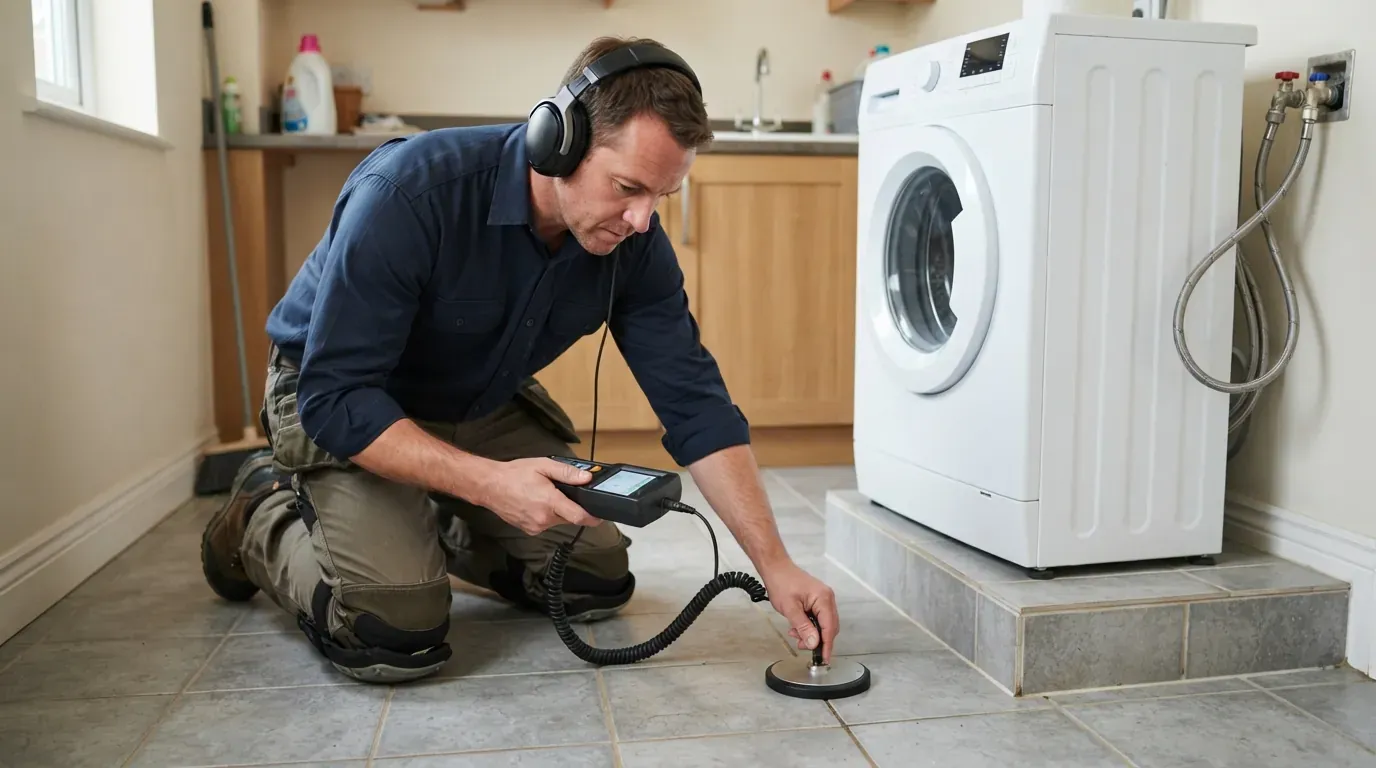
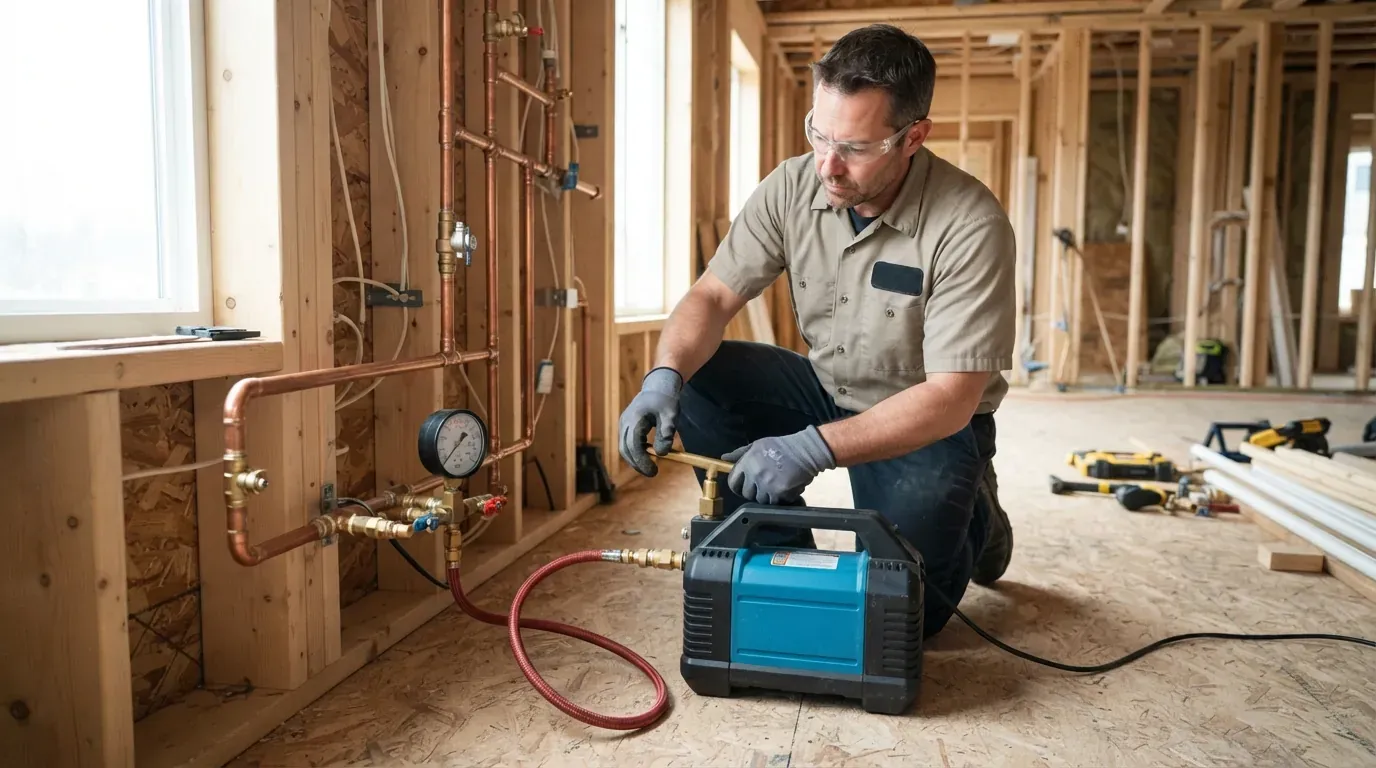
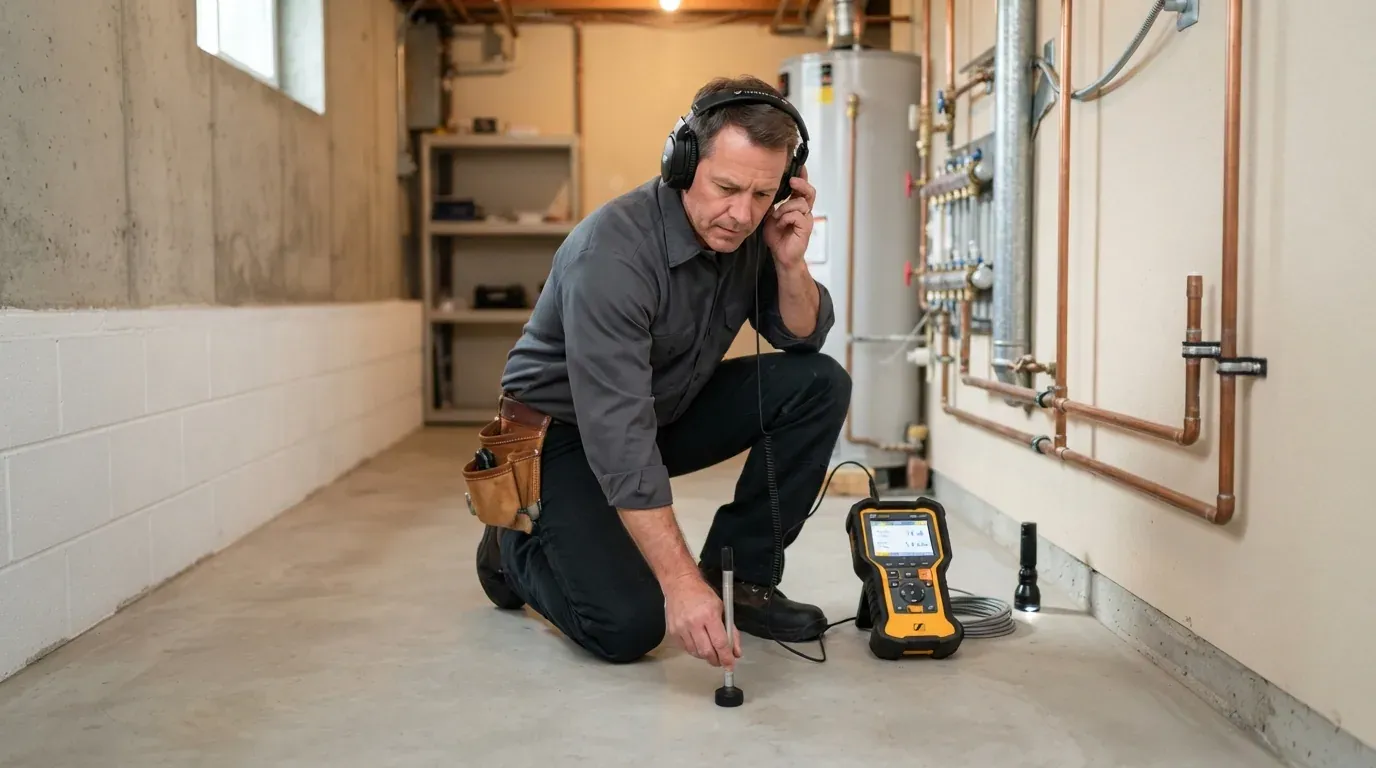
Acoustic listening, pressure testing and thermal differences are used to locate the point rather than the general area, and the position gets marked.
04
Explain the repair options
You get told what was found, where, and what fixing it involves, including whether rerouting the run is cheaper than accessing it in place.
The meter test, before you call anyone
There is one check worth doing before spending money on leak detection, and it costs nothing.
Turn off every water-using thing in the property: taps, appliances, ice makers, humidifiers, irrigation. Then look at the water meter. If the dial or the leak indicator is still turning, water is escaping somewhere in your system. If it is completely still, whatever is happening is probably not a supply leak, and you may be looking at condensation, groundwater or a roof problem instead.
That single test decides whether this is our job at all, and we would rather you knew before booking.
Why locating properly is the cheap part
The temptation on a damp patch is to open up the wall behind it. The problem is that water travels: it runs along joists, follows pipe runs and drops through at the first opportunity, so the visible damage is frequently nowhere near the failure.
Isolating the system section by section, then pinpointing acoustically or by pressure, turns a search into a marked spot. The detection work usually costs less than the extra repair and restoration caused by opening the wrong place twice.
Older housing, older failure modes
In the pre-war housing across Lebanon city, the recurring find is galvanized supply thinning from the inside and copper of a certain age developing pinholes. Both leak slowly for a long time before they announce themselves.
Where a run has already failed once and the rest of it is in the same condition, we will tell you that repairing this one spot is buying a few months. Sometimes rerouting a run in accessible pipe is genuinely cheaper than chasing failures through plaster, and that is covered on the pipe repair page.
Questions
Leak detection questions
Specific to this job. Every service page here has its own, none repeated.
General FAQCommon questions
How can I tell if I have a hidden water leak?
Can you find a leak without tearing open walls?
What is a slab leak and how would I know?
Can a small leak really cause serious damage?
My bill went up but I cannot see anything. What now?
Do you find leaks in buried water lines and irrigation?
Is the leak covered by my insurance?
Related services
- Slab leak repairA leak under a concrete floor is worth finding accurately, because the difference between one small opening and a broken-up floor is entirely about location work.
- Pipe repairOn older housing the real question is rarely how to patch this leak. It is whether the rest of that run is about to do the same thing.
- Water line repairThe buried run from the curb stop to your house belongs to you. When it fails, so does the whole property's water.
- Emergency plumbingWhen water is coming in and you cannot stop it, the first ninety seconds matter more than who you call. Shut it off, then get us out.
Ready when you are
Need leak detection in Lebanon County?
Tell us what is going wrong. We come out, look at it properly, and give you the price before anything starts.
- Licensed and insured
- Residential and commercial
- Price agreed before work starts
Talk to a plumber
Tell us what is going wrong and we will arrange a visit.
Rather not call? Request service online
Emergency callouts during business hours