
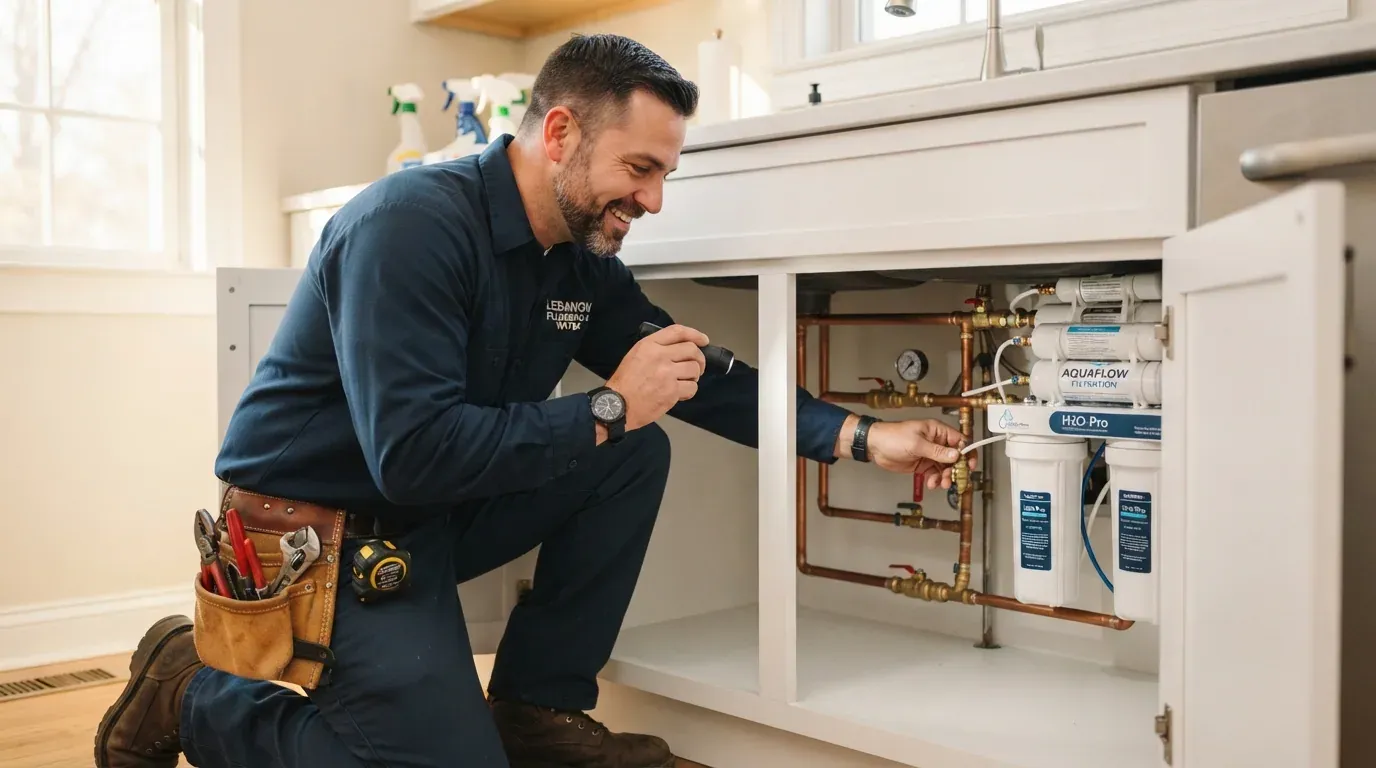
Leak Detection & Pipes
Pipe Repair and Repiping
On older housing the real question is rarely how to patch this leak. It is whether the rest of that run is about to do the same thing.
What is included
What this service covers
What we actually do on this job, and what you can expect us to deal with while we are there.
- Repairing pinhole leaks and failed joints
- Replacing corroded galvanized supply runs
- Repiping in copper or PEX
- Rerouting pipe out of unheated or inaccessible spaces
- Replacing failed fittings, valves and appliance connectors
- Adding isolation valves so future work does not need the whole house off
- Commercial pipework repairs
Signs to look for
You may need this if you are seeing any of these
- Weak pressure upstairs but acceptable downstairs
- Discoloured or rusty water after the house has stood empty
- Pressure collapsing when a second tap is opened
- A repeat leak in the same run
- Visible green staining or crusting on copper joints
- Damp patches that appear and dry and come back
Why it happens
What usually causes it
01
Galvanized corroding inward
The defining problem in the older Lebanon city stock. Zinc coating goes, rust builds inside, and the bore narrows until flow is a fraction of what it should be. It fails gradually enough that households stop noticing.
02
Pinholes in copper
Water chemistry, velocity and decades of service thin the wall until it weeps. Where one pinhole appears in a run, others usually follow within a couple of years.
03
Fitting and joint failure
Compression fittings, older solder joints and push connectors in inaccessible spots all fail eventually, and the ones behind appliances or inside cabinets do the most damage before anyone notices.
04
Freeze damage in the wrong location
Pipe run through exterior walls, crawl spaces or unheated additions splits in a cold snap. Putting identical pipe back in the same place guarantees a repeat.
Our approach
How we handle this job
Specific to this work rather than a generic checklist bolted onto every page.
01
Establish what the run is made of
Copper, galvanized, PEX and CPVC all fail differently and are worth different amounts of repair. Knowing what you have changes the recommendation entirely.
02
Judge the run, not just the leak
We look at the condition either side of the failure. One clean pinhole in sound copper is a section repair. A galvanized run closing along its length is not worth patching.
03
Give you both numbers
Where repiping is worth considering, you get the repair price and the repipe price together so the decision is yours with the figures in front of you.
04
Fix the cause where there is one
If the location caused it, rerouting or insulating the run is usually a small addition while the work is already open, and it is what stops a repeat.
The galvanized problem, which is most of this work here
A large share of pipe repair calls in this county come back to the same material. Homes across Lebanon city and the older borough cores were originally plumbed in galvanized steel, and galvanized has a finite life that most of it has now exceeded.
It fails inward. The zinc coating goes, rust builds on the inside wall, and the bore narrows year after year. Because it happens slowly, households adapt without noticing: you stop running the shower while the washing machine is on, you accept that the upstairs bathroom is weak, you run the tap for a while after a holiday until the brown clears.
None of that is normal, and none of it is fixed by patching the spot that finally leaked.
Repair or repipe, honestly
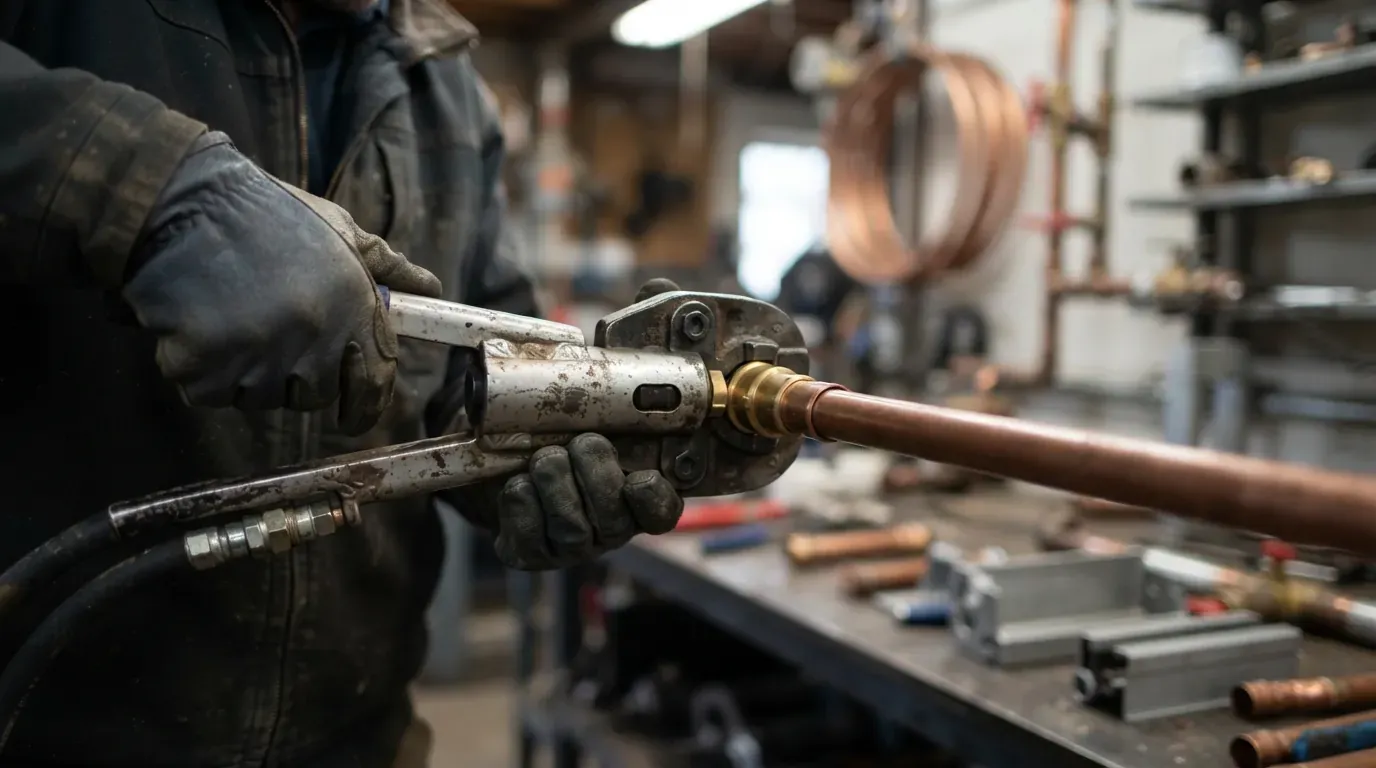
We will not push a repipe on a house that does not need one, and we will not quietly patch a run that clearly does.
One pinhole in sound copper is a section repair. A galvanized run that is closing along its length is a repipe conversation, because the money spent patching it repeatedly over two years usually exceeds doing it properly once.
What you should expect from us is both numbers, and a straight explanation of what we saw when the pipe was exposed.
Fixing the reason, not just the failure
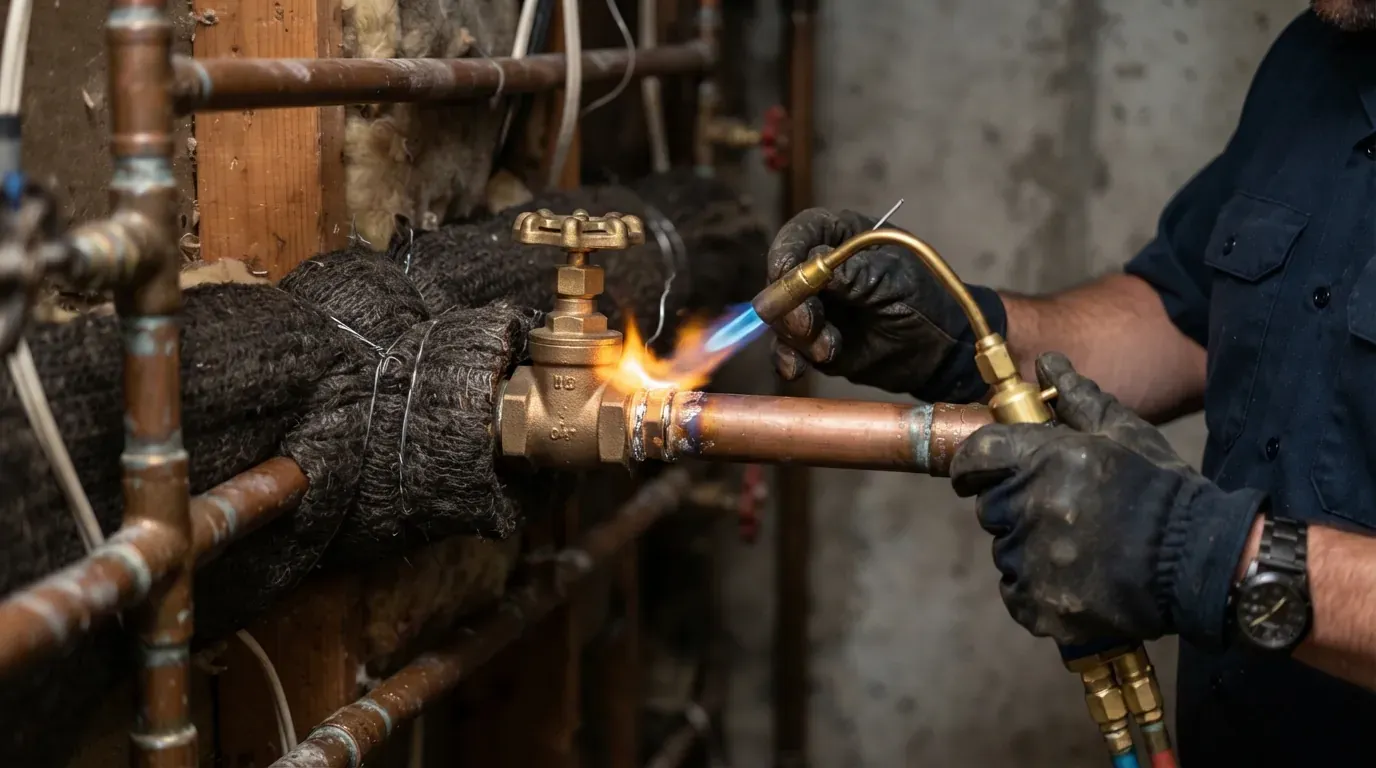
Where a freeze caused the split, the same pipe in the same unheated space will split again. Rerouting the run into heated space, insulating it properly, or adding an isolation valve and drain point so it can be emptied each winter is usually a small addition to work that is already open.
That is treated as part of the job rather than as an extra, because otherwise we are both just booking the next call. See burst pipe repair for the seasonal side of it.
Questions
Pipe repair questions
Specific to this job. Every service page here has its own, none repeated.
General FAQCommon questions
Should I repair this leak or repipe the whole run?
How do I know if I have galvanized pipes?
Is PEX as good as copper?
Do you have to open up walls to repipe?
My water pressure is bad upstairs only. Is that the pipes?
Can you repipe while we are living in the house?
Will you fix the wall afterwards?
Related services
- Leak detectionFinding the leak accurately is what keeps the repair small. Guessing is what turns one hole in a wall into three.
- Burst pipe repairA split pipe is usually the visible end of a longer story about where that run sits and how cold it got. We repair the break and deal with the reason it happened.
- Water line repairThe buried run from the curb stop to your house belongs to you. When it fails, so does the whole property's water.
- Lead service line replacementIf your water authority wrote to you, the buried run from the curb stop into your house is the part you have to deal with.
Ready when you are
Need pipe repair in Lebanon County?
Tell us what is going wrong. We come out, look at it properly, and give you the price before anything starts.
- Licensed and insured
- Residential and commercial
- Price agreed before work starts
Talk to a plumber
Tell us what is going wrong and we will arrange a visit.
Rather not call? Request service online
Emergency callouts during business hours