
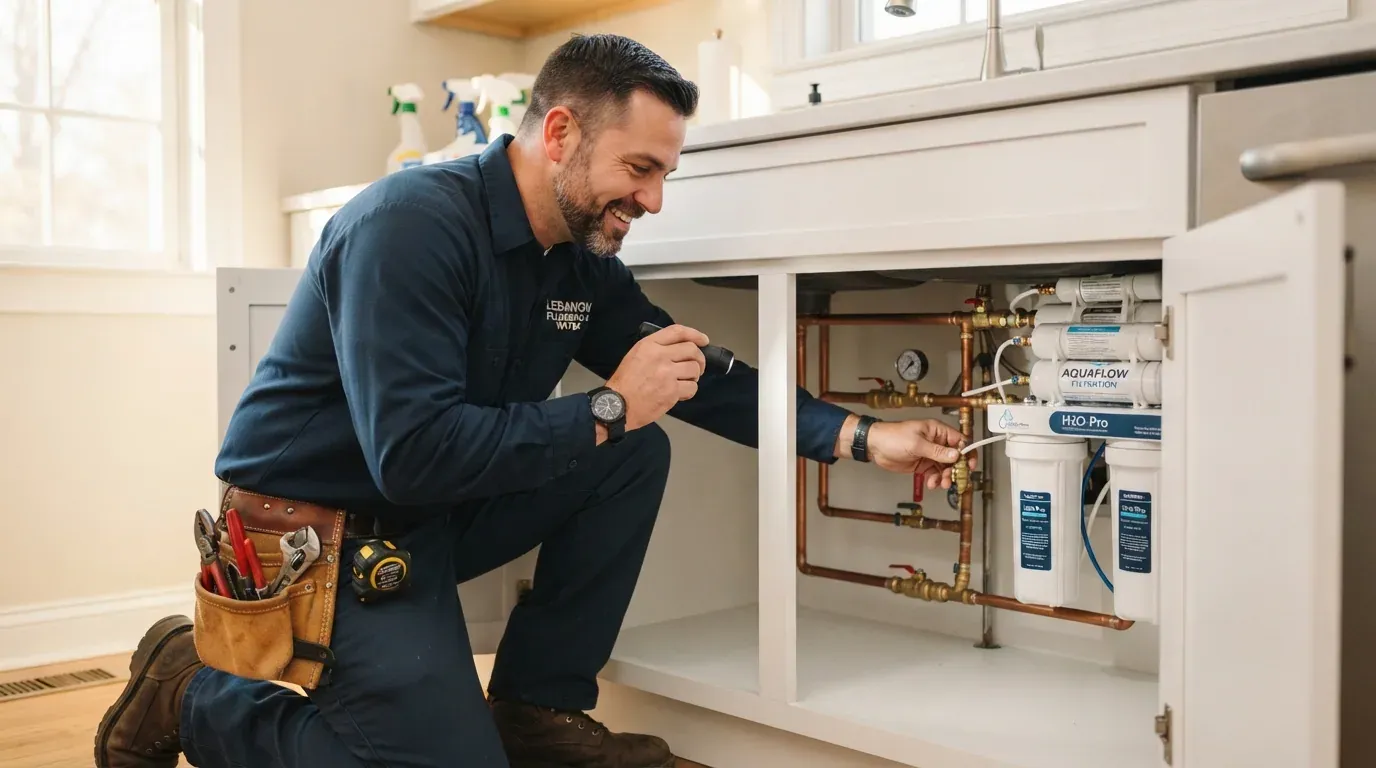
Leak Detection & Pipes
Slab Leak Repair
A leak under a concrete floor is worth finding accurately, because the difference between one small opening and a broken-up floor is entirely about location work.
What is included
What this service covers
What we actually do on this job, and what you can expect us to deal with while we are there.
- Locating leaks in supply lines under concrete floor slabs
- Confirming a slab leak rather than groundwater or a waste leak
- Rerouting the affected line to avoid breaking the slab
- Opening, repairing and properly reinstating concrete where that is the better option
- Repressurising and verifying the system afterwards
- Advising on what the water may have done to what sits above it
Signs to look for
You may need this if you are seeing any of these
- An unexplained warm area on a floor
- Damp appearing at the edge of a slab or through flooring
- The sound of running water with everything turned off
- The water meter moving with no fixture in use
- Flooring lifting, cupping or discolouring in one area
- An unexplained jump in the water bill
- Reduced pressure alongside any of the above
Why it happens
What usually causes it
01
Abrasion against concrete
A supply line that was not properly sleeved rubs against the slab as it expands and contracts with hot water, wearing through the wall over years.
02
Corrosion from the outside in
Soil chemistry and moisture attack copper in contact with concrete or fill, particularly where the line was laid without protection.
03
Ground movement
Settlement or shifting fill stresses a line that has no room to move, and the failure appears at the point of greatest strain rather than where the movement is.
04
Poor original installation
Joints buried in the pour, undersized or unsupported pipe, and lines run without sleeves are all found under slabs, and all of them shorten the life of the run considerably.
Our approach
How we handle this job
Specific to this work rather than a generic checklist bolted onto every page.
01
Prove it is a slab leak
Damp on a floor can be groundwater, a waste leak, or condensation, and those need different trades. Meter testing and isolating the supply confirm that pressurised water is escaping before anyone talks about concrete.
02
Work out which line and where
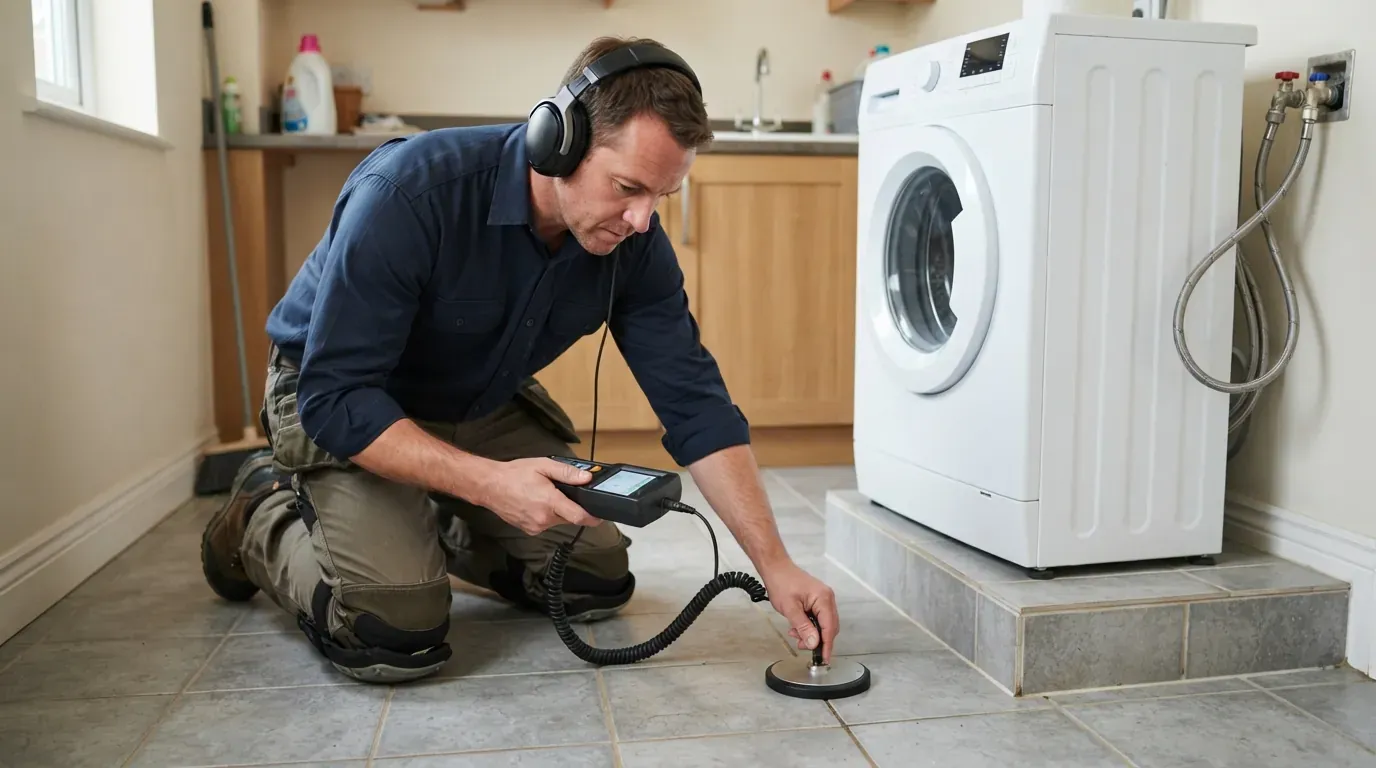
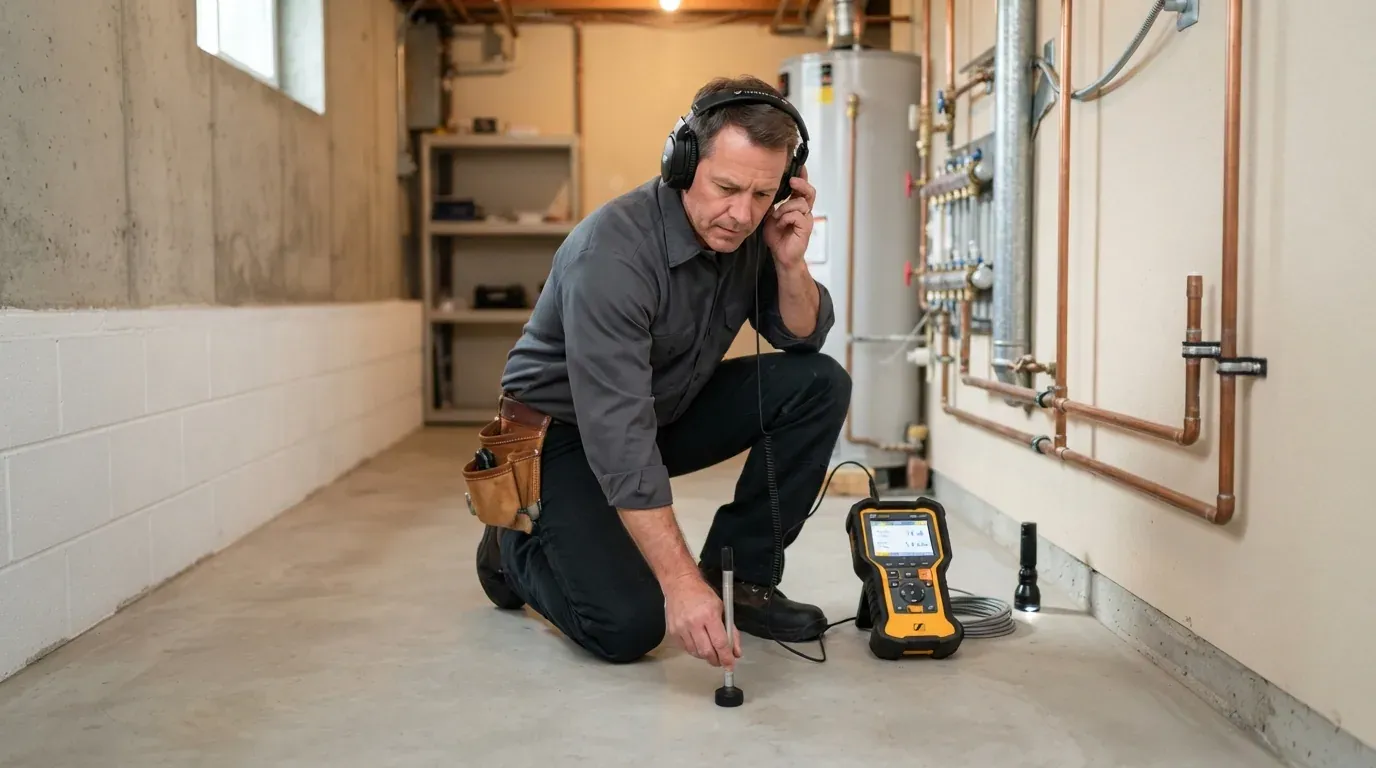
Hot and cold are isolated separately to identify the affected line, then the position is pinpointed acoustically and by temperature difference and marked on the floor.
03
Compare rerouting against opening the slab
Often the cheaper and less destructive answer is to abandon the buried section and run a new line through accessible space. Where breaking through is genuinely better we will say so.
04
Repair, test and reinstate
The system is repressurised and verified before anything is closed up, and any concrete we open is reinstated properly rather than patched.
Confirming it before touching concrete
The most expensive mistake on a slab leak is breaking up a floor to chase something that was never a slab leak.
Damp appearing at floor level has several possible sources, and they need different trades. Groundwater pushing up through or under a slab in wet weather is a drainage and waterproofing problem. A failed waste line is different again. Condensation on a cold floor in a humid basement is neither.
The test that separates them is the meter. A slab leak is pressurised supply water escaping, so with every fixture off, the meter keeps moving. Groundwater does not register on it at all. We run that check before recommending anything.
Why we usually reroute rather than dig
When a supply line under a slab has failed, the instinct is to open the concrete and repair the pipe. Often that is the worse option.
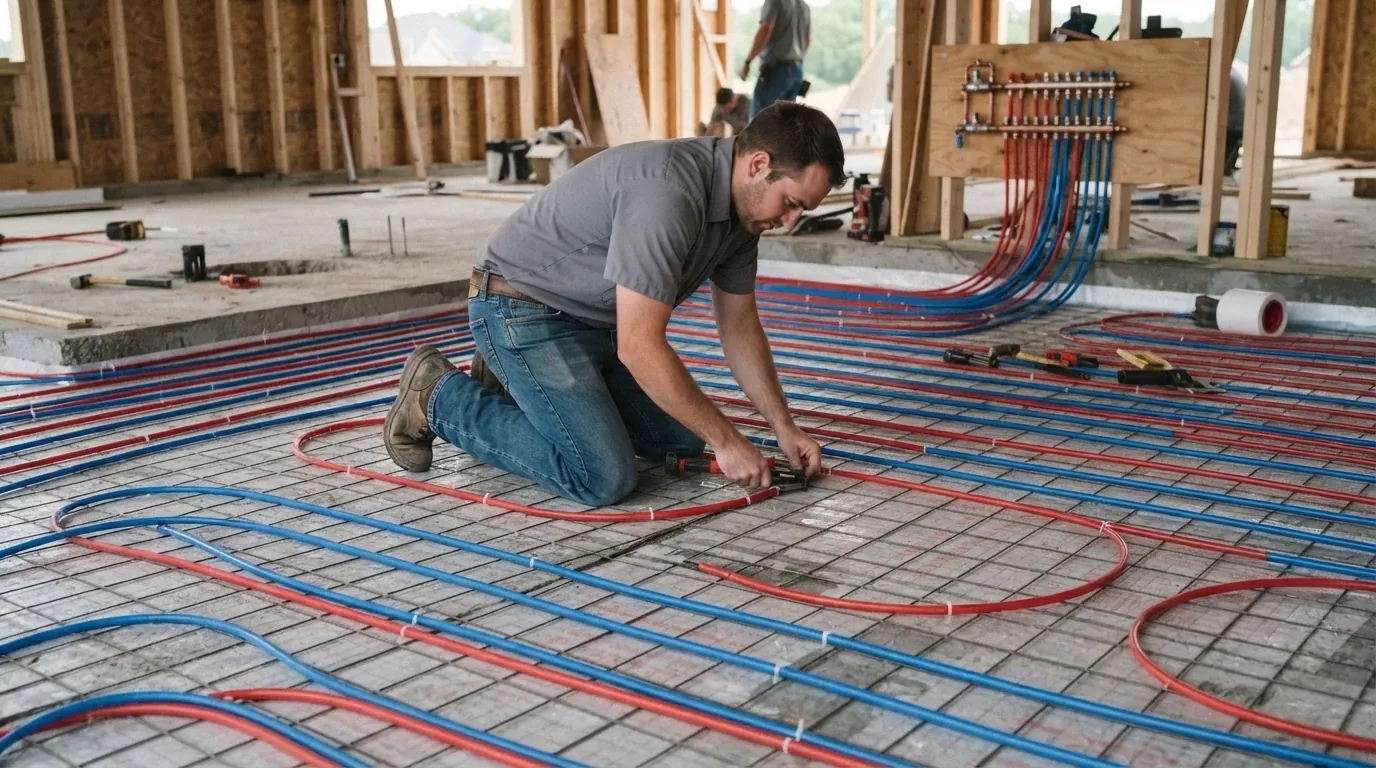
Abandoning the buried section and running a new line through accessible space, a basement ceiling, a wall cavity or an attic depending on layout, means that stretch of pipe can never fail again and the new run can actually be inspected in future. It also avoids the cost and mess of breaking and reinstating concrete.
It does not suit every property. Where the geometry makes a reroute impractical, or where the run is short and accessible, opening the slab is the right answer and we will say so.
Newer housing, mostly
Slab leaks turn up more in the postwar and later construction around Palmyra, Annville and the townships than in the older Lebanon city rowhomes, simply because slab-on-grade construction and supply lines run under concrete are a more modern arrangement. The older stock tends to have full basements with accessible pipework, which brings different problems and is covered under pipe repair.
Questions
Slab leak repair questions
Specific to this job. Every service page here has its own, none repeated.
General FAQCommon questions
What exactly is a slab leak?
How would I know I have one rather than a normal leak?
Do you have to break up my floor?
Is rerouting as good as repairing the original pipe?
How much damage will already have been done?
Will insurance cover a slab leak?
Could it be groundwater rather than a leak?
Related services
- Leak detectionFinding the leak accurately is what keeps the repair small. Guessing is what turns one hole in a wall into three.
- Pipe repairOn older housing the real question is rarely how to patch this leak. It is whether the rest of that run is about to do the same thing.
- Water line repairThe buried run from the curb stop to your house belongs to you. When it fails, so does the whole property's water.
- Lead service line replacementIf your water authority wrote to you, the buried run from the curb stop into your house is the part you have to deal with.
Ready when you are
Need slab leak repair in Lebanon County?
Tell us what is going wrong. We come out, look at it properly, and give you the price before anything starts.
- Licensed and insured
- Residential and commercial
- Price agreed before work starts
Talk to a plumber
Tell us what is going wrong and we will arrange a visit.
Rather not call? Request service online
Emergency callouts during business hours