Seasonal
How to Stop Your Pipes Freezing in a Lebanon County Winter
Freeze damage is predictable. It happens in the same handful of places every winter, and most of it is preventable in an afternoon.
Published · 7 min read
Every winter produces a run of burst pipe calls across the county, and they are remarkably predictable. The same kinds of pipe, in the same kinds of space, in the same kinds of house.
That predictability is good news, because it means most freeze damage is preventable with an afternoon’s work in November.
Where pipes actually freeze
Pipes do not freeze because it is cold outside. They freeze because they run through a space that gets no heat, and the house does not care that the pipe is there.
In the older Lebanon city rowhomes, the recurring culprits are supply lines run along exterior walls, and anything feeding a back addition or an enclosed porch. Those additions came later than the original house and the insulation frequently did not come with them. A kitchen or bathroom tacked onto the back of a nineteenth century house often has its supply running through a space that is effectively outdoors.
Out in the townships the exposure is different: long runs under crawl spaces, unheated basements and garages, and lines out to barns, workshops and outdoor hydrants that nobody has thought about since summer.
The common factor is always the same. Find the pipe that runs where the heat does not.
What to do before the first hard freeze
This is the list that actually prevents damage, and none of it is difficult.
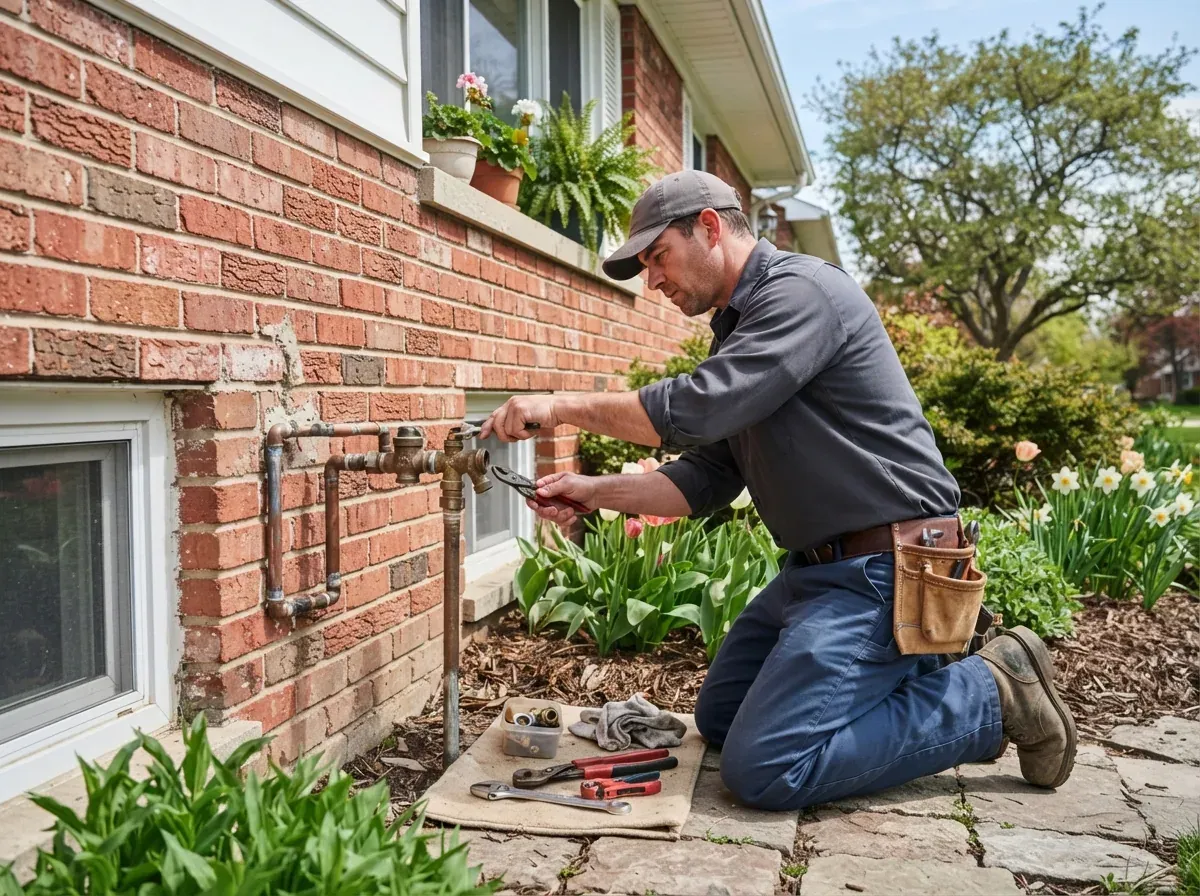
Disconnect the garden hoses. A hose left connected traps water in the spigot and the pipe immediately behind it, which is on the cold side of the wall. This is one of the most common freeze failures and it is completely avoidable.
Drain and isolate the outside spigots. If you have interior shutoffs for them, close those and open the outside taps to let the line drain. Frost-free spigots still fail if a hose is attached, because they cannot drain.
Insulate anything in unheated space. Pipe insulation is inexpensive and it is the single highest value thing you can do. Prioritise crawl spaces, unheated basements, garages and anything on an exterior wall.
Deal with the outbuildings. Lines to barns, workshops and hydrants that you will not need until spring should be drained and isolated. A buried line that gets emptied every October does not burst.
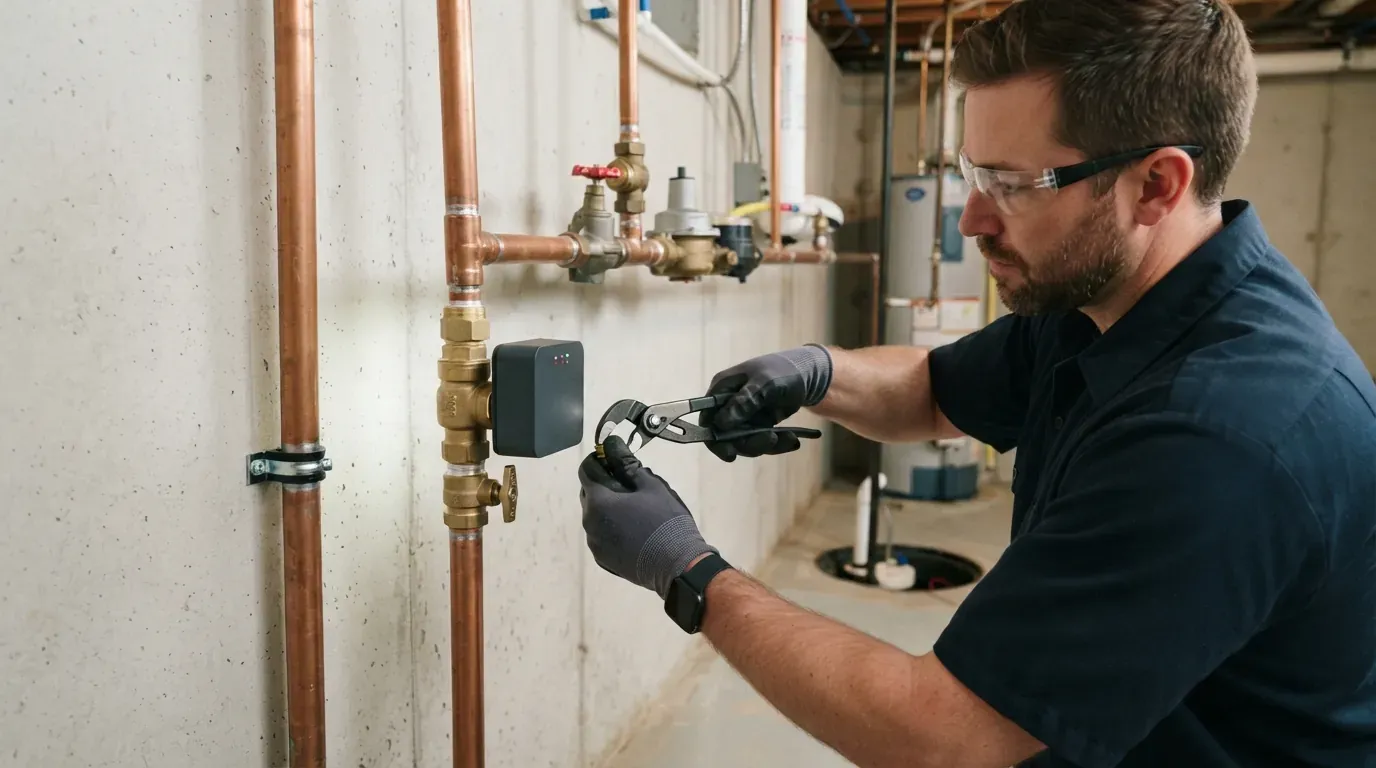
Find your main shutoff and check it turns. Not a freeze measure exactly, but the thing you will most want to know at two in the morning. If it is seized, get it dealt with now rather than in an emergency.
What to do during a cold snap
When the forecast is genuinely severe, a few temporary measures help.
Open the cabinet doors under sinks that sit on exterior walls, so household heat can reach the pipework behind them. Kitchen sinks on an outside wall are a classic failure point.
Keep the heat on in rooms you are not using. Closing a vent in a spare bedroom to save money is a reasonable instinct that occasionally costs a great deal, particularly if there is plumbing in that wall.
Letting a tap drip is genuinely useful on a run you know is vulnerable, because moving water is much harder to freeze and the open tap relieves pressure. It is a targeted measure rather than something to do at every fixture in the house.
How to thaw a frozen pipe safely
If a tap has stopped during cold weather, you may have a window before anything splits.
Leave the affected tap open. This gives meltwater and pressure somewhere to go as the ice releases, and it tells you when you have succeeded.
Apply gentle heat from the tap end backwards. Work from the fixture towards the frozen section using a hair dryer, a heat gun on low, or heat tape. Starting at the tap end means the melting ice has an escape route rather than being trapped between two plugs.
Never use an open flame. No torch, no propane heater held against the pipe. It is a genuine fire risk in a wall cavity, and on a soldered joint it will simply open the pipe.
If you cannot find or reach the frozen section, or if water starts appearing as it thaws, shut the main off and call somebody.
Why the flood starts on the thaw
This surprises people every year, and it is worth understanding.
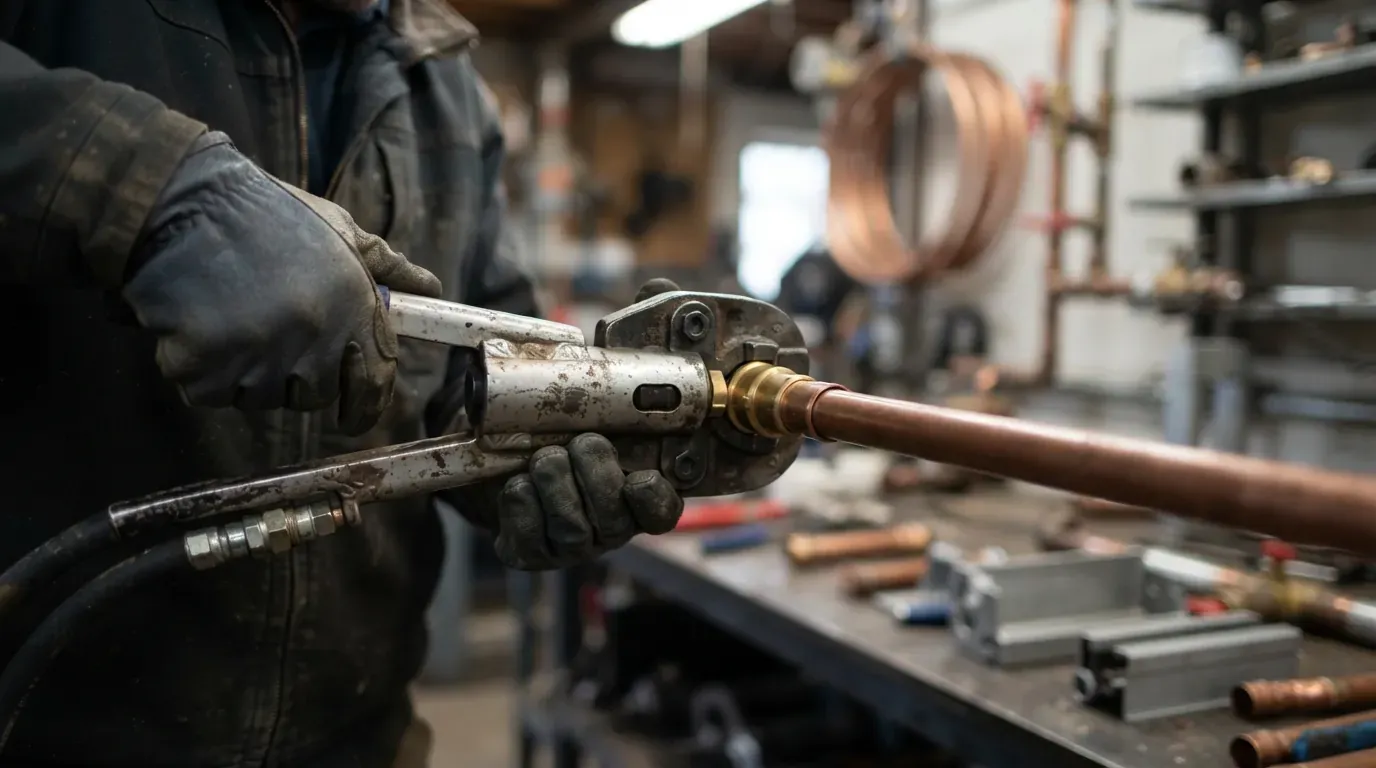
When water freezes it expands and forces the pipe wall apart. But the ice that caused the split is also sealing it. The pipe is broken and nothing is coming out, because the plug is still frozen solid.
Then it warms up. The ice melts, the pipe is now open, and it is under full mains pressure.
That is why the busiest day for burst pipe calls is often the first mild day after a hard freeze rather than the coldest night. If you had a tap stop working during a cold snap and then start again on its own, do not simply assume you got away with it. Go and look at that run.
If you are leaving the house empty
Vacant properties are where the expensive failures happen, because nothing gets noticed for days.
Do not turn the heat off entirely. Set it low rather than off, high enough to keep interior spaces above freezing. The saving from switching it off completely is trivial against the downside.
For a longer absence, shutting the water off at the main and draining the system down is the reliable answer. Anyone checking on the property should know where the main shutoff is and how to use it.
This applies to seasonal properties, rentals between tenancies, and student houses around Annville over the winter break, which sit empty during exactly the coldest weeks of the year.
If a pipe has already split, shut the water off at the main first and then call. Our emergency page has the full sequence, and burst pipe repair covers what the repair itself involves.